

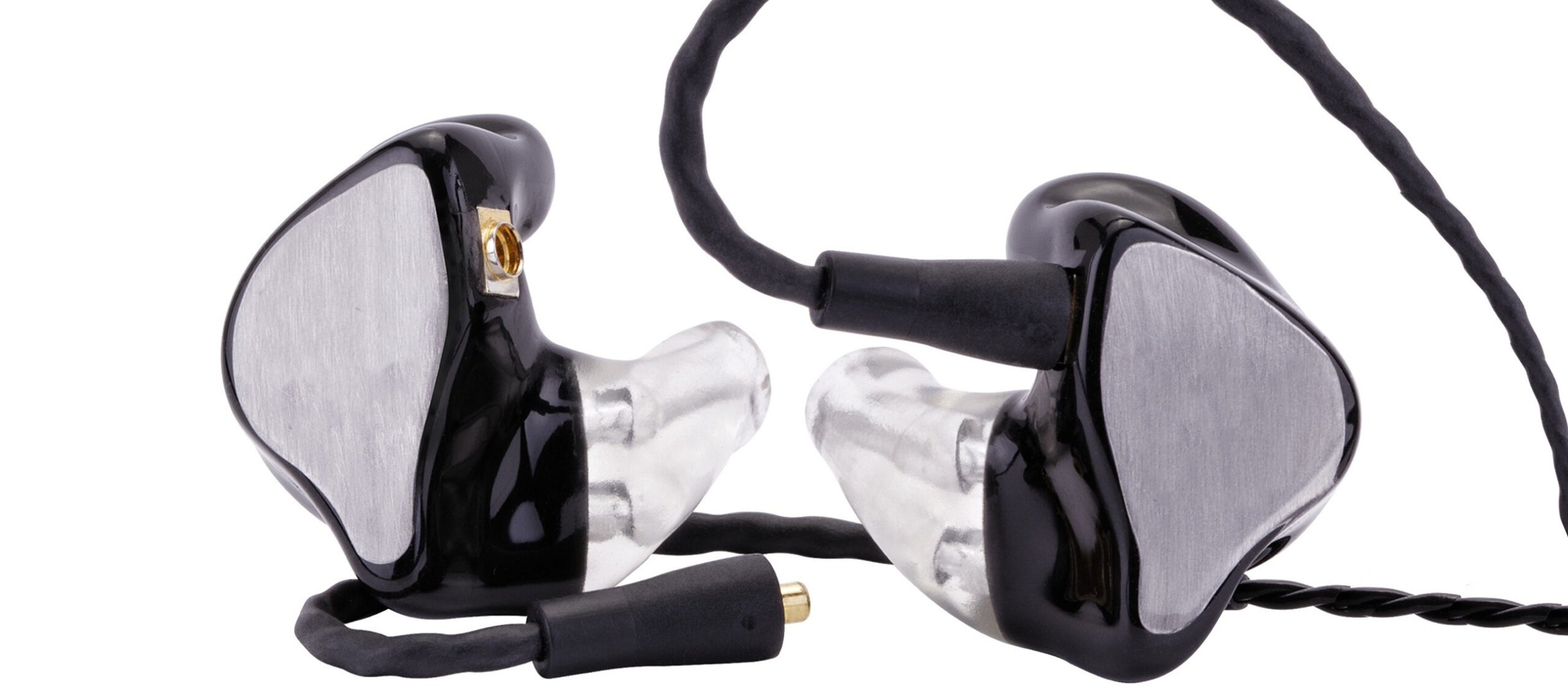
What Are In-Ear Monitors?:
Many technological advances have been made when it comes to experiencing sound as a whole. One particularly worth mentioning is the creation of in-ear monitors (IEMs). In-ear monitors, or earphones, are devices used by musicians, audio engineers, and audiophiles to listen to music or to hear a personal mix of vocals and stage instrumentation for live performance or recording studio mixing.
IEMs come in all shapes and sizes, and are often custom fitted for an individual’s ear canal to provide comfort and a high level of noise reduction from ambient sounds. Some people prefer a universal fit monitor that is ready out of the box. These usually come with silicone, foam, or rubber ear tips that help create a seal inside your ear canal. Many monitors also have a bendable or molded wire that hooks at the top of your ear and reduce the microphonics experienced
Their origins as a tool in live music performance can be traced back to the mid 1980s, but it wasn’t until the last decade or so that they have become affordable and used for general purposes. Even if you’re just an average listener, you’ll notice a significant difference in audio quality between a regular pair of earbuds and an in-ear monitor. More bass, more clarity, and a higher range of frequency are just a few things you can expect. While in-ear monitors don’t have active noise canceling, they do block most noise from the surrounding area. means you can play audio at a reasonable level while maintaining noise-cancellation properties. Overall, in-ear monitors are an audio solution that provides the ear with a personalized monitor mix.
The monitoring system consists of a transmitter, a receiver and a set of monitors. The transmitter sends signals to the receiver. The receiver is a battery pack that is typically worn by the musician. This receiver is where the monitors plug into. The house speakers are known as drivers, and convert electric audio signals into an audible acoustic by moving a diaphragm, which in turn creates the sound that you hear. The most common type of driver found in a standard earbud is a dynamic driver. These devices have one, at most, two drivers. In-ear monitors commonly sport the more powerful and versatile dynamic balanced armature drivers. Westone Audio’s flagship custom and universal IEM boasts 8 finely tuned balanced armature driver setup.
If you care about pristine audio quality and want excellent noise cancellation, getting a pair of in-ear monitors is the way to go. It’s a great way to break into the audiophile community. You’ll find plenty of reviews, guides, and trading groups for enthusiasts. There are also resources for obtaining the best equalizer performance out of your in-ear monitors.