

Custom and Universal IEMs – Fact vs Fiction
Whether you are a touring musician, a player in a local
band, or a music lover with a daily commute, insert ear monitors (IEMs) can be
an indispensable part of your everyday life.
For those who delve deep enough into the water, a question often
eventually surfaces: do I need custom IEMs?
It’s a good question, and there are several factors to consider:
Comfort
If you are wearing insert earphones for an extended period
of time, comfort is a primary consideration.
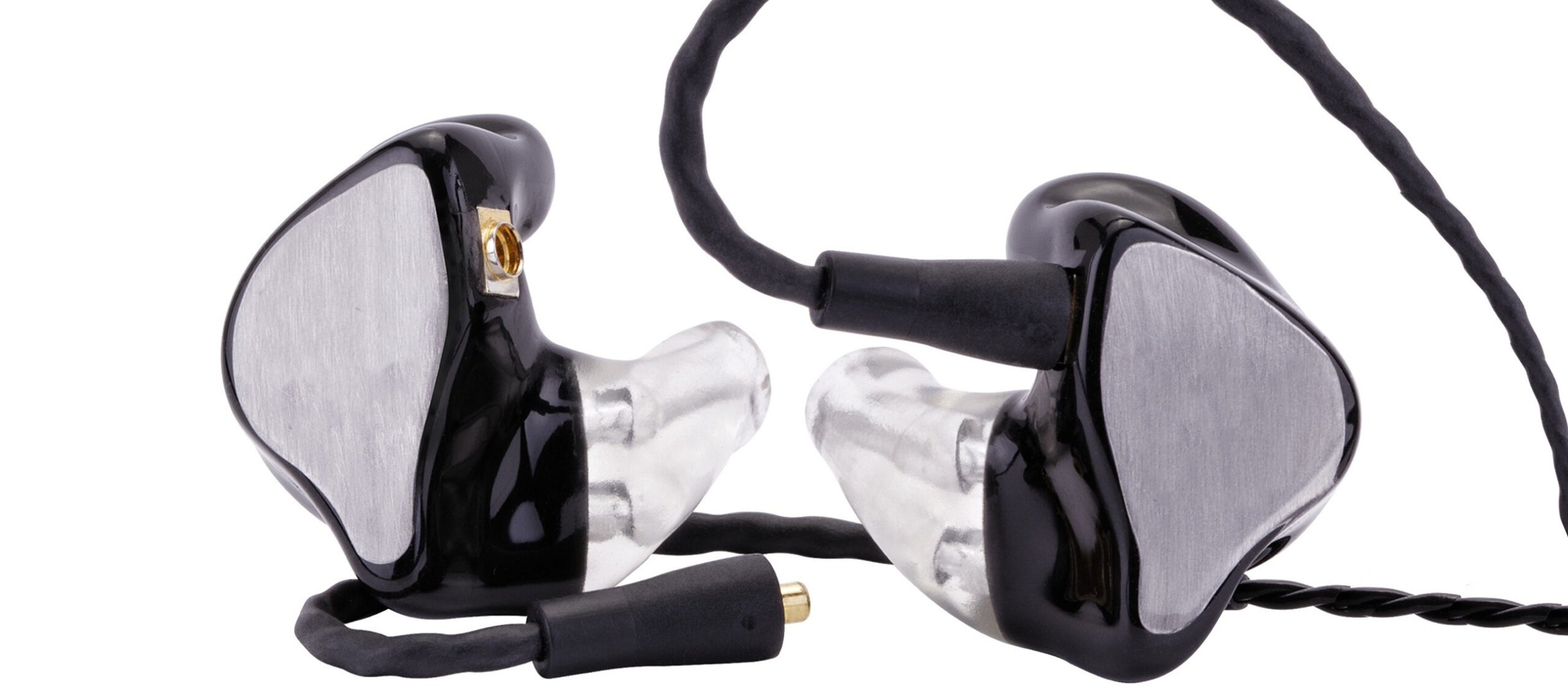
Often users will opt for a custom mold as this is made specifically for
their ear and can be easier to wear for hours on end. When choosing a Westone Audio CIEM, there is
also the option of our proprietary flex canal.
This is an alternative to the industry standard hard acrylic canal and
uses a malleable material that softens as it warms in the ear, providing more
comfort. The flex canal comes standard
on the hand-poured Elite Series (ES) line of Westone Audio custom IEMs. The 3D printed ES and AC lines of CIEMS are
available with hard acrylic only.
That said, there are some users that prefer the comfort and
fit of a universal IEM. One of the
hallmarks of Westone Audio universal IEMs is a smaller eartip stem (aka nozzle)
than other IEMs on the market. The
practical upside of this is that the eartip has more space to compress and move
to fit the geometry of your ear canal.
The key to a comfortable fit with a universal IEM is that you don’t want
anything hard pressing against the inside of the ear canal. With an eartip mounted on a larger diameter
nozzle, there’s nowhere for the eartip to flex to, resulting in a shallower,
less comfortable fit. A shallower fit
will also reduce isolation from external sounds (more on that later). Because of this, Westone Audio universal fit
IEMS are more comfortable, often rivaling our custom IEMs.
Aesthetics and Personalization
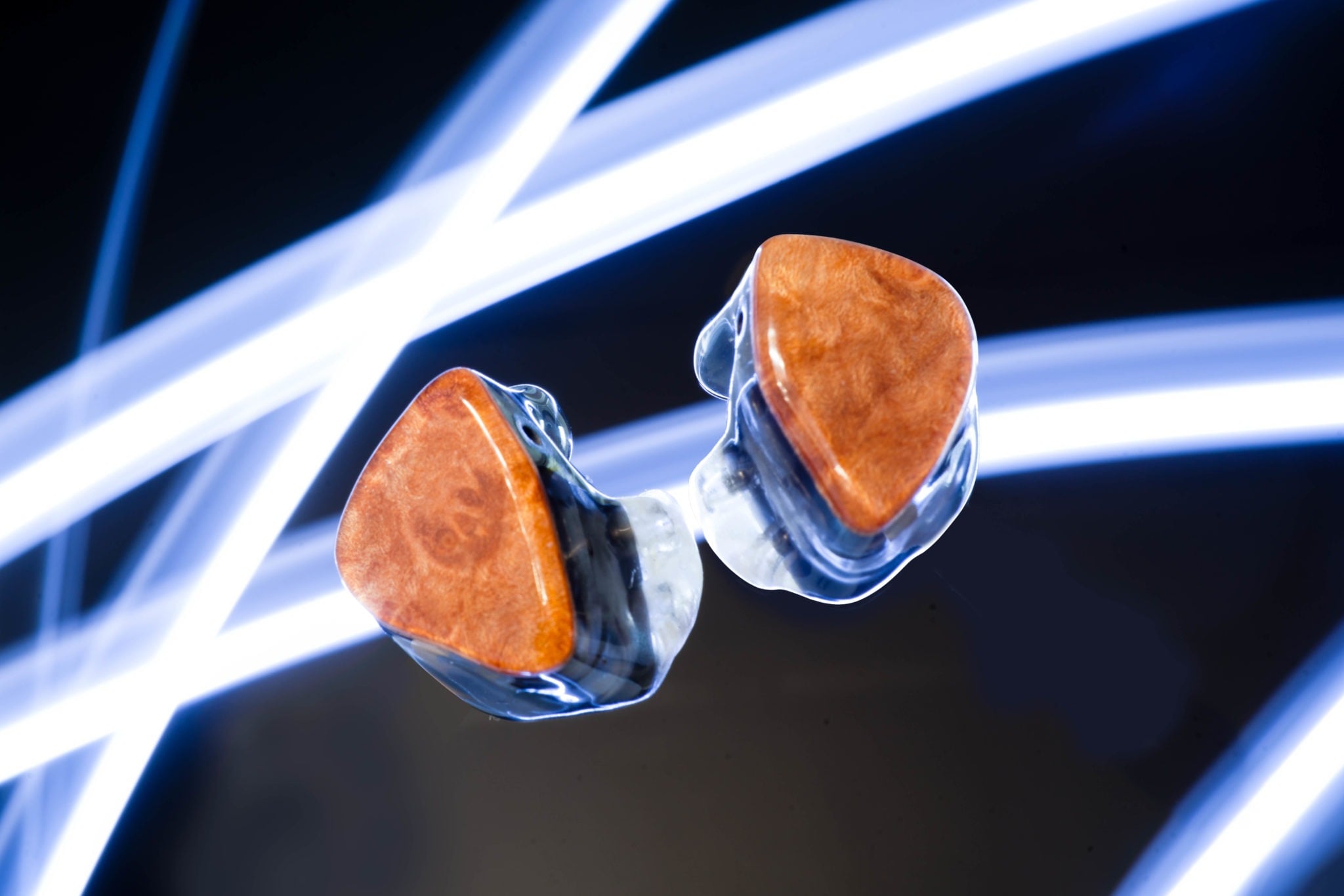
One of the special aspects of CIEMs is the ability to truly
make the earphone your own. You can
choose the body color, faceplate color, connector type and even add custom
artwork. Simply put, universal IEMs
don’t offer the same experience in this regard.
For stage use, CIEMs also offer the ability to choose less visually
conspicuous options compared to most universal IEMs (although the clear-bodied
Pro X line of earphones are a fairly invisible universal option). Conversely, custom IEMs also offer the user
the option to choose more striking color options to stand out on stage in a
style that is uniquely theirs.
Serviceability and Long-Term Use
Another advantage of CIEMs is their long-term
serviceability. Westone Audio’s custom
lab often repairs CIEMs many years after they were manufactured. Due to the materials used in CIEM
manufacture, it’s far easier to open them, clean things up, and get them back
into working order without ruining the aesthetics of the earpieces. One thing that should also be kept in mind is
that human ears continue to grow as we age, so it’s not uncommon for CIEMs to
have fit issues (particularly maintain a seal) after 5 years or so. There are exceptions to this, of course, so
it is possible that a pair of custom IEMS will still fit after 5 years, but it
is something to be mindful of. If you find
that your CIEMs don’t fit quite as well as they used to, they can be reshelled
for a nominal fee. On the other hand,
long-term fit with universal IEMs is less of an issue as you can always switch
to a different eartip should you run into fit issues over time.
Isolation from External Sounds
Isolation is one of the primary reasons that IEM use has
grown significantly over the last 20 years.
As musicians have become much savvier about the dangers of hearing
damage, professionals and amateurs alike have migrated towards IEM use on
stage. One of the most misunderstood
elements of custom vs universal IEMs is attenuation of outside noise. Conventional wisdom is that CIEMs have higher
attenuation since they are molded specifically to one’s ears. On average, this may be true, but it’s more
of a function of poor fitting that some users experience with universal IEMs. A properly fit CIEM should yield 25-30dB of
attenuation (higher dB of attenuation, means more external sound is blocked). The same holds true for a universal fit IEM
with a silicone tip. In a perfect world,
you can often achieve a bit higher level of attenuation with deeply inserted
foam eartip. Ultimately, attenuation is
more a function of fit than anything else.
When it comes to IEMs, getting a good seal is paramount. Without a seal, you aren’t getting the
protection that you need in noisy environments.
With the right custom earpiece or universal eartip, you should be able
to achieve good isolation.
So, What Should You Get?
There really isn’t a wrong answer when it comes to custom or
universal IEMs. If you want a simpler,
off-the-shelf solution without the hassle of having to get ear impressions
taken, universal IEMs can be a great solution.
You can still get wonderful sound quality, comfort and noise isolation (and
can even share them with a friend or bandmate should you so choose). If you want a bit more personalized solution,
a pair of custom IEMs may be the way to go.
Whatever you choose, it’s important to make sure that a proper fit is achieved,
or you will miss out on the best sound quality and noise isolation that good
IEMS have to offer.